

Ads
Exploring the vast and intriguing universe of mythologies is a journey that transports us to ancient times, where powerful gods, fearless heroes and unfathomable mysteries shaped the beliefs and culture of ancient peoples.
In this space, the most intriguing legends that have crossed generations will be unveiled, carrying with them values, teachings and warnings. From the Greek epics, with their capricious gods and tragic heroes, to the complex Nordic pantheons, where giants and gods fight epic battles, each myth holds secrets that still provoke fascination and reflection.
Ads
We will also know the gods of different cultures: the Egyptian deities with their mysteries and rituals, the vigorous Roman gods who inherited and adapted characteristics of the Greeks, and the indigenous deities with their deep connections with nature.
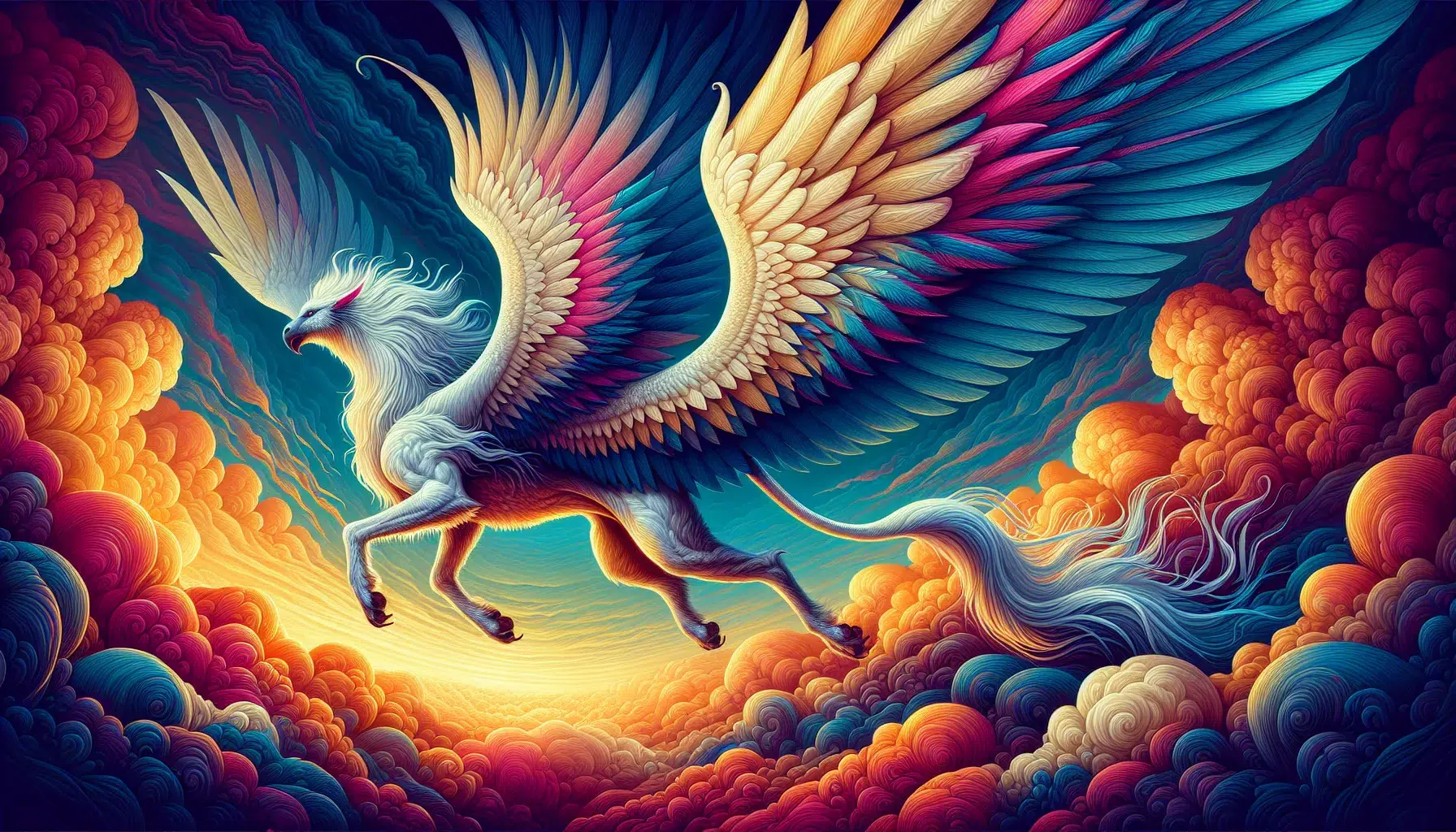
In addition to the divine figures, mythologies are populated by fantastic beings and mythical creatures that inhabit the tales and folklore of the whole world. These beings often represent human fears, desires and aspirations, and are fundamental to understanding the collective imagination of different civilizations.
Ads
Prepare to embark on a timeless journey where every tale and myth is a doorway to a deeper understanding of the world and ourselves. Here, magic and reality intertwine, offering a rich and diverse panorama of stories that continue to delight and inspire entire generations
The Origin of Mythologies#
Mythologies have emerged thousands of years ago and have been part of the human imagination since the dawn of civilizations. Each culture has developed its own legends and stories to explain natural phenomena, the creation of the world and the mysteries of existence. What they all have in common is the search for answers and the need to make sense of the unknown.
Greek, Roman, nordic, Egyptian and many other mythologies are rich fabrics of narratives involving gods, heroes and fantastic creatures. These stories were passed from generation to generation, often orally, and ended up being recorded in texts that are studied to this day. Mythology not only influenced literature and art, but also played a crucial role in the formation of the beliefs and values of ancient societies.
Gods and Deities#
The Greek Gods#
Greek gods are often depicted as human beings, but with supernatural powers and complex personalities. Zeus, the king of the gods, is perhaps the most famous. He rules heaven and earth, and is known for his volatile temperament and his many amorous adventures.
Other important Greek gods include Hera, the wife of Zeus and goddess of marriage; Poseidon, god of the seas; and Athena, goddess of wisdom and war. Each Greek god and goddess has her own history and domain, creating a diverse pantheon that reflects the complexity of human life.
The Nordic Gods#
Norse mythology also possesses a fascinating pantheon of gods and goddesses. Odin, the chief god, is known for his wisdom and his sacrifice to gain knowledge. He is often associated with the crow and the wolf, and is the father of Thor, the god of thunder.
Thor is another central character in Norse mythology, famous for his hammer Mjolnir, which he uses to protect gods and humans from giants and other threats.
Heroes & Legends#
The Greek Heroes#
Greek mythology is full of heroes whose adventures and exploits were celebrated in epic poems and legends. Hercules, perhaps the most famous, is known for his twelve works, which include killing the Lion of Nemeia and capturing the boar of Erimanto. Hercules represents human strength and courage, but also vulnerability, as he faces many challenges and sufferings throughout his life.
Another notable Greek hero is Achilles, whose story is central to Homer's “liad” achilles is an invincible warrior with a single weak point: his heel. His bravery and martial skills are legendary, but his tragic death reminds us that even the greatest heroes have their weaknesses.
Nordic Heroes#
The heroes of Norse mythology are equally fascinating. Sigurd, also known as Siegfried, is one of the most celebrated. He is famous for killing the dragon Fafnir and conquering the treasure of the Nibelungs. Sigurd's story is full of magic, love and betrayal, reflecting the complexities of the human condition.
Beowulf, another Norse hero, is known for his battles against the monster Grendel and Grendel's mother.
The Role of Myths in Society#
Educational Function#
Myths play a crucial educational role in societies. They are used to teach moral and ethical lessons, impart knowledge, and preserve history. For example, Aesop's fables, which are a form of myth, use anthropomorphized animals to teach lessons about behavior and character.
In Ancient Greece, the story of Demeter and Persephone was used to explain the seasons. When Persephone is taken to the underworld, her mother, Demeter, goddess of agriculture, mourns, causing winter. When Persephone returns, the earth blooms again.
Cultural Identity#
They provide a sense of continuity and belonging, linking people to the past and traditions of their ancestors. The stories of Romulus and Remus, for example, are central to Roman identity, while Icelandic sagas are central to Nordic culture.
In many cultures, myths are celebrated through rituals and festivals, which reinforce shared values and beliefs. These community events not only keep traditions alive, but also strengthen social bonds and community cohesion.
The Mysteries of Mythological Creatures#
Fantastic Beings#
In Greek mythology, we find the Minotaur, a monster with a bull's head and a man's body, which inhabits the labyrinth of Crete. There are also Gorgons, such as Medusa, whose gaze can turn mortals to stone.
In Norse mythology, we find beings like elves and dwarves. Elves are generally seen as beings of light, while dwarves are masters of forging and mining, living deep in the earth.
The Enigma of Dragons#
Dragons are perhaps the most universal mythological creatures, appearing in myths from cultures as diverse as Chinese and European. In medieval Europe, dragons were often seen as guardians of treasures, but also as symbols of evil that needed to be defeated by knightly heroes.
In Chinese culture, dragons are seen much more positively. They are symbols of power, strength and good luck, associated with water and rain control. Dragon dancing is an important part of Chinese New Year celebrations, symbolizing the expulsion of evil spirits and the arrival of good fortune.
Mythology and Art#
Influence on Literature#
Mythology has a profound influence on literature over the centuries. Classical works such as “ the Odyssey” and “ the Aeneid” are based on ancient myths and legends, exploring themes of heroism, love and destiny. These texts not only preserve the ancient stories, but also reinterpret them for new generations.
In modern literature, authors such as J.R.R. Tolkien and Neil Gaiman continue to draw inspiration from myths and legends. Tolkien in particular created an entire world, Middle-earth, which is deeply influenced by Norse and European mythology. His books, such as “ The Lord of the Rings”, explore themes of courage, friendship and sacrifice, resonating with ancient mythological stories.
Mythology in the Visual Arts#
Paintings, sculptures and other art forms often depict mythological scenes, bringing these stories to life in visual and exciting ways. Renaissance artists such as Michelangelo and Botticelli created masterpieces based on mythological themes, such as Botticelli's “ Venus ” and “ Davi” by Michelangelo.
Movies, TV series and comics often reimagine ancient myths, bringing them to a modern audience. The Marvel film series “Thor” features characters from Norse mythology in a superhero context, making these ancient gods and heroes accessible and relevant to new generations.
Mythology and Psychology#
The Hero Archetype#
Carl Jung, one of the pioneers of analytical psychology, has spoken extensively about archetypes & universal patterns of behavior and experience that appear in myths and dreams. The Hero archetype is one of the most important and appears in countless stories around the world.
The hero usually begins his journey in a state of ignorance or weakness, faces challenges and enemies, and emerges transformed and strengthened. This journey can be seen as a metaphor for personal development and self-realization. A “Jero Journey” by Joseph Campbell, based on Jung's ideas, describes this narrative structure that resonates deeply with human experience.
Mythology and Therapy#
Myths also have a therapeutic role. They provide a symbolic language for exploring psychological and emotional issues. In therapy, patients can use myths to express feelings and experiences difficult to describe otherwise. Identification with mythological characters and stories can offer a sense of understanding and consolation.
In an often chaotic and unpredictable world, mythological stories offer a sense of order and purpose. They remind us that despite challenges and difficulties, transformation and growth are possible.
The Future of Mythologies#
Modern Mythologies#
As the world changes, mythologies also evolve. New stories and legends are emerging, reflecting the concerns and values of contemporary society. Science fiction and fantasy, for example, have created their own mythologies, complete with gods, heroes and monsters.
The universe of “Star Wars” is a classic example of modern mythology. With its own pantheons of characters, epic battles and good versus evil themes, “star Wars” has captured the imagination of millions and become an important part of popular culture. Similarly, superhero comics have created a new kind of mythology, with characters like Superman and Batman embodying contemporary ideals and values.
The Preservation of Traditions#
Despite new mythologies, it is vital to preserve the old ones. They are a crucial part of humanity's cultural heritage and offer valuable insights into our origins and evolution. Museums, educational institutions and cultural organizations play an important role in preserving and disseminating these stories.
Digitalization and the internet are making myths more accessible than ever before. Books, articles and online resources allow people of all ages and backgrounds to explore mythologies from around the world.
Conclusion#
Discovering the fascinating world of mythologies is an enriching journey that connects the past to the present. Through legends, gods and mysteries, we are transported to ancient times, where stories and traditions shaped cultures and civilizations. By delving into these narratives, we not only explore the beliefs and values of our ancestors, but also find parallels with our own existence.
In fact, mythologies offer a deeper understanding of the human condition, addressing universal themes such as love, courage, betrayal and redemption. In this way, they continue to delight generations, providing valuable insights and timeless reflections. In addition, by studying these stories, we expand our knowledge and enrich our cultural repertoire.
Another important point is that mythologies influence various aspects of art, literature and even science. The symbology present in ancient legends is still a source of inspiration for contemporary writers, artists and thinkers. Therefore, understanding these mythologies is essential for a more complete appreciation of cultural expressions throughout history.
Finally, as you explore the world of mythologies, we open doors to a universe of knowledge and wonder. This is an invitation for you to continue this journey, discovering new stories and unraveling the mysteries that
Continue reading
You might like it too
Discover the legends that fascinate!
Mythologies around the world have always aroused the curiosity and fascination of people.
Myths: legends, gods and fascinating mysteries
Immerse yourself in the fascinating universe of mythologies and discover a world filled with legends, gods and mysteries that have enchanted and inspired generations.