

Ads
Welcome(a) to a fascinating journey through time, in which we will explore the history of the pharaohs of Ancient Egypt egyptian civilization and discover the importance of the pharaohs in the culture of this extraordinary period.
A history of Egypt As we embark on this journey, we will unravel the secrets of the pharaohs, the kings who ruled Egypt with divine power.
Ads
The pharaohs played a crucial role in the egyptian societythey were responsible for social organization, the construction of impressive monuments, and the preservation of the culture and traditions of the Egyptian people.
A egyptian architecturerepresented by the majestic pyramids and the grand temples, it is a true testimony to the power and grandeur of the pharaohs. Moreover, these rulers have accumulated incredible wealth, leaving behind treasures that continue to intrigue and delight to this day.
Ads
As we explore the history of the pharaohs of Ancient Egypt, we come across a rich and complex religion, a thriving culture and impressive achievements. It is impossible not to marvel at the legacy left by these rulers.
At the end of our journey, we hope you are instigated(a) to know even more about the pharaohs and the stunning egyptian civilization. Be sure to explore every detail of this extraordinary period in human history.
Main points addressed:#
- The Pharaohs of Ancient Egypt and its importance in egyptian society
- The achievements of the pharaohs: pyramids, architecture and treasures
- The rica history of Egypt Its influence on current culture
- The evolution of egyptian religion over time
- Interesting facts and facts about the pharaohs and Ancient Egypt
The pharaohs of ancient Egypt and their importance in Egyptian society#
Here, we will explore the relationship between the pharaohs and the egyptian societywe will discover how the pharaohs were seen as supreme deities and rulers, and how they played a crucial role in the organization and social structure of Ancient Egypt. In addition, we will also learn more about the culture and traditions of this extraordinary period.
“ The pharaohs were regarded as the “ kings of all Egypt” and exercised absolute power over Egyptian society. They were seen as an incarnate divine figure, linking the human world to the divine. Their influence was not limited only to the political sphere, but also extended to religion, economics, and even the daily lives of the Egyptian people. As supreme leaders, the pharaohs were responsible for ensuring order and prosperity of the kingdom, as well as protecting the people from external threats.”
Egyptian society was structured hierarchically, with the pharaohs at the top, followed by the nobility, priests, scribes, workers and farmers. Each social layer had its responsibilities and obligations, all of them interconnected to keep society functioning harmoniously.
A egyptian culture the Pharaohs were the intermediaries between the gods and the people, responsible for performing religious rituals and ensuring the maintenance of cosmic harmony.
The decision-making of the pharaohs also influenced the Egyptian economy. They controlled the distribution of land, organized public works, encouraged trade and supervised agricultural production.
To understand Egyptian society and the importance of pharaohs, we need to explore their culture, religion and social functioning. Let's dive into this fascinating journey through Ancient Egypt and unravel the mysteries left behind by the ancient kings of Egypt.
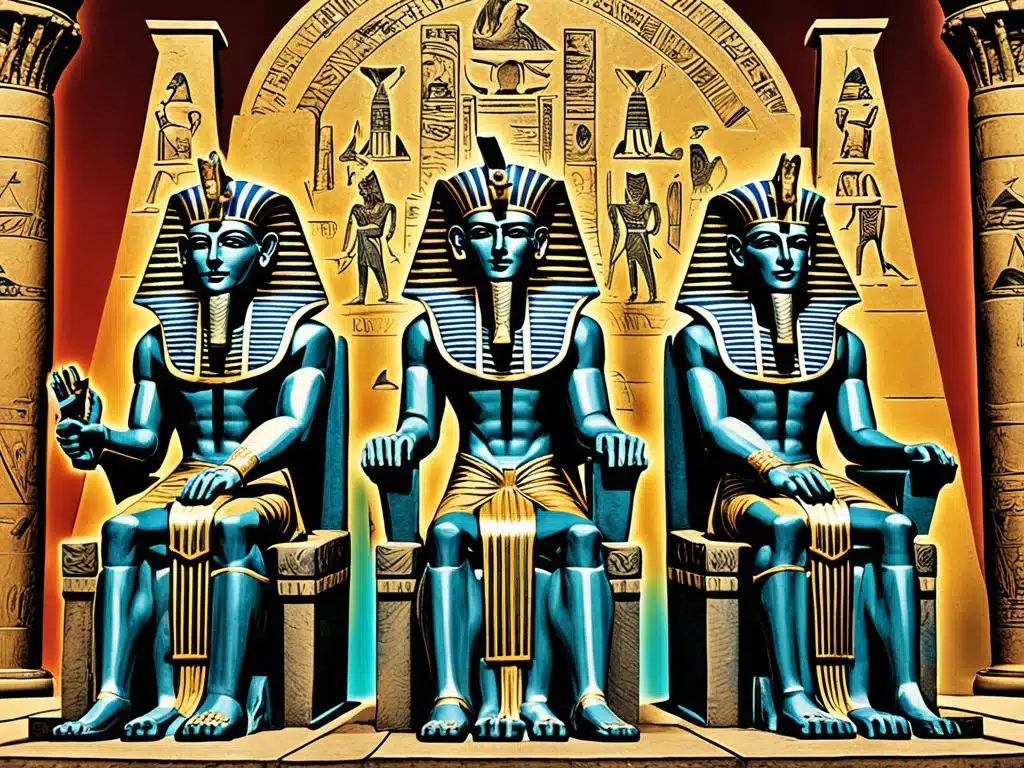
The Social Hierarchy in Ancient Egypt#
| Social Layer | Description |
|---|---|
| Pharaohs | Divine and supreme rulers, responsible for the order and prosperity of the kingdom. |
| Nobility | Elites who enjoyed political power and privileges. |
| Priests | Responsible for religious rituals and the worship of the gods. |
| Scribes | In charge of recording information and administering government and bureaucracy. |
| Workers | People who engaged in manual labor and construction. |
| Farmers | People responsible for agricultural production, the basis of the Egyptian economy. |
The achievements of the pharaohs: pyramids, architecture and treasures#
In this section, we will dive into the amazing architectural achievements of the pharaohs of Ancient Egypt pyramids of Egypt, like the Great Pyramid of Giza, and discover the secrets behind its construction. In addition, we will also marvel at other treasures and monuments left by the pharaohs, such as the impressive temples and tombs that are witnesses to their power and wealth.
One of the greatest and most emblematic achievements of the Egyptian pharaohs are the pyramids of Egyptthese majestic structures are considered a wonder of the ancient world and continue to intrigue and fascinate people from all over the world to this day. The Great Pyramid of Giza, built for the pharaoh Cheops, is the most famous and preserved of the pyramids. With an impressive height of 146 meters, this wonder of the egyptian architecture it is a testament to the power and ability of the pharaohs.
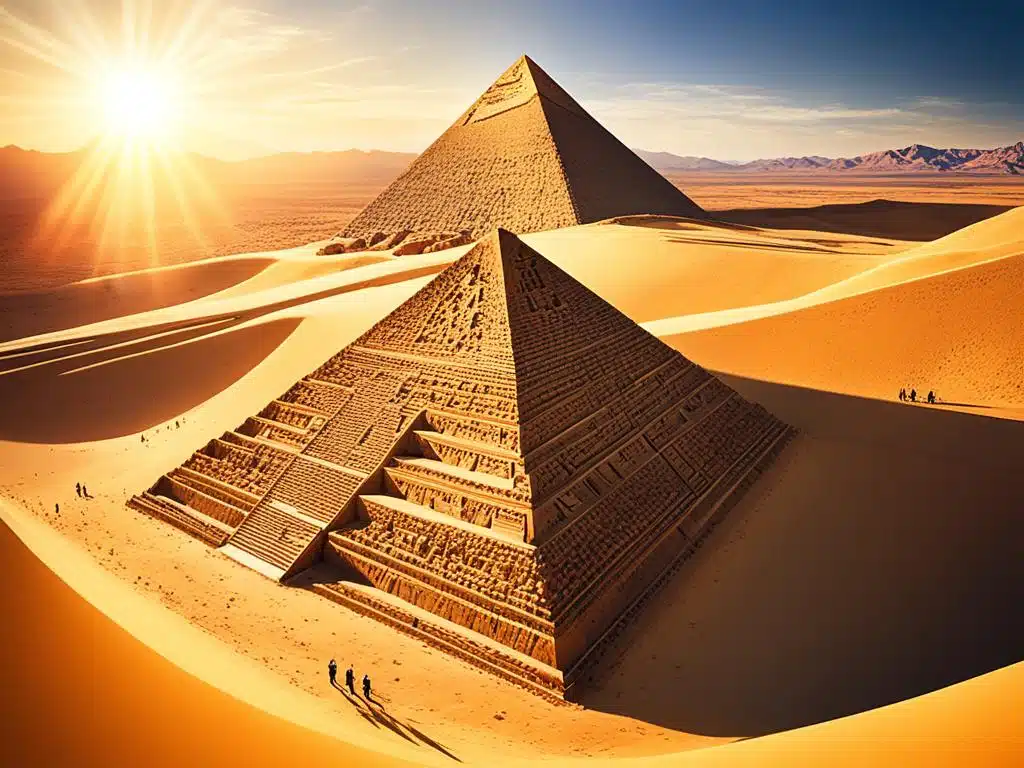
A egyptian architecture egyptian temples are impressive examples of architectural sophistication and advanced engineering. One notable example is the Temple of Karnak, a vast complex that spanned several religious structures and was built over centuries.
The tombs of the Valley of the Kings, like the tomb of the famous pharaoh Tutankhamun, are impressive examples of the luxury and wealth associated with the pharaohs.
Table: Major Pyramids of Ancient Egypt#
| Pyramid | Location | Pharaoh | Year of Construction |
|---|---|---|---|
| Pyramid of Cheops | Giza | Cheops | About 2560 BC. |
| Pyramid of Chephren | Giza | Chephren | About 2532 BC. |
| Pyramid of Menkaure | Giza | Mykerini | About 2510 BC. |
These achievements of the pharaohs of Ancient Egypt are striking testimonies to the grandeur and ingenuity of the ancient egyptian civilizationEgyptian architecture and the treasures left behind by the pharaohs continue to delight and inspire us to this day, revealing insights into the history, culture and belief system of this fascinating period.
Conclusion
#
We have reached the end of our journey through the world of the pharaohs of Ancient Egypt. We hope that this time travel has aroused your interest in the rich history, religion and culture of the ancient Egyptians.
A egyptian religion they believed in the existence of diverse gods and goddesses, with pharaohs being considered a connection between mortals and divinity. This close relationship between religion and governance is a fascinating aspect of the egyptian culture ancient.
A egyptian culture it also manifests itself in the incredible architectural achievements of the pharaohs pyramids of Egypt they are striking symbols of this civilization, built as burial monuments for the pharaohs. In addition, the majestic temples and tombs decorated with hieroglyphics are testimonies of the grandeur and richness of this ancient society.
Be sure to explore more about the pharaohs and the fascinating Egyptian culture. His religious rituals, its impressive architecture and its historical legacy are inexhaustible sources of knowledge and admiration. Egyptian civilization continues to inspire and fascinate us with its unique and lasting achievements.
FAQ#
Who were the Pharaohs of ancient Egypt?#
The Pharaohs of Ancient Egypt they were seen as deities and had absolute power over the country, ruling both politically and religiously.
What was the importance of the pharaohs in Egyptian society?#
Pharaohs played a central role in Egyptian society. They were considered supreme and divine rulers, being responsible for the administration and maintenance of order in Ancient Egypt.
What were the main achievements of the pharaohs of Ancient Egypt?#
The Pharaohs of Ancient Egypt they were responsible for incredible architectural achievements, such as the famous pyramids of Egypt. In addition, they built temples, tombs and other impressive monuments that reflected their power and wealth. The pharaohs also accumulated great treasures, which included jewelry, works of art and precious objects.
How were pharaohs seen in Egyptian religion?#
The pharaohs were considered to be living deities in the egyptian religionthey were seen as the link between gods and humans, playing an essential role in religious rituals and offering spiritual protection to the Egyptian people.
Continue reading
You might like it too

Fascinating Journey through History
Unraveling the Mysteries of the Past: A Fascinating Journey through History The fascination with the past has always instigated human curiosity.
Discover the Secrets of History
Exploring the hidden secrets of the past is one of the most enriching and intriguing experiences we can have.